


Stage 5. Decide and sustain
What it's for. Monitoring fulfills its purpose when the evidence reaches a decision: a management program, an expansion, an agreement between reserves or an investment. When data becomes information that demonstrates conservation, regeneration, ecological and cultural relevance, and relevance for climate regulation, it also opens innovative sustainability models for the territory.
 How is the evidence used, and how do we sustain what we have built?By the end you will have: Informed decisions and a sustainability model for the territory
What we did in Dzilam
Monitoring evidence was part of the technical rationale the Government of Yucatán used to expand the Dzilam State Reserve from 69,000 to 104,304 ha in 2024, in line with its commitments toward the 30x30 target. The decision was the authority's, which brought together several studies and contributions. In phase 2, the project supported the update of the management program with 17 interviews, accompanied IUCN Green List self-assessments in Dzilam and Ría Lagartos, and shared lessons with the Puuc Biocultural Reserve. Long-term continuity is linked to Herencia Maya, a permanence financing scheme.
Key steps
Identify the decision calendar (management program review, annual budget, public consultation) and have the evidence ready for that moment.
Summarize the findings in one page per audience, using the figures from the BioScanner report. Use template 4. P4
Analyze and interpret the results together with the territory and local partners, in spaces where everyone decides what they mean and what to do with them, and in the community's language.
Use the IUCN Green List Standard as a guide to organize management evidence, even if you are not seeking certification. Start with the worksheet in template 6. P6
Identify alternative economic opportunities and how the results can strengthen them: community tourism, regenerative agroforestry, education, or financial mechanisms such as biodiversity credits and payments for ecosystem services.
Publish what you learned in formats others can reuse, such as a solution on PANORAMA or a dataset on GBIF.
Sustainability models
When the evidence demonstrates conservation, regeneration and ecological and cultural relevance, it can support economies and financial mechanisms that keep monitoring going and bring prosperity to the territory.
- Community tourism
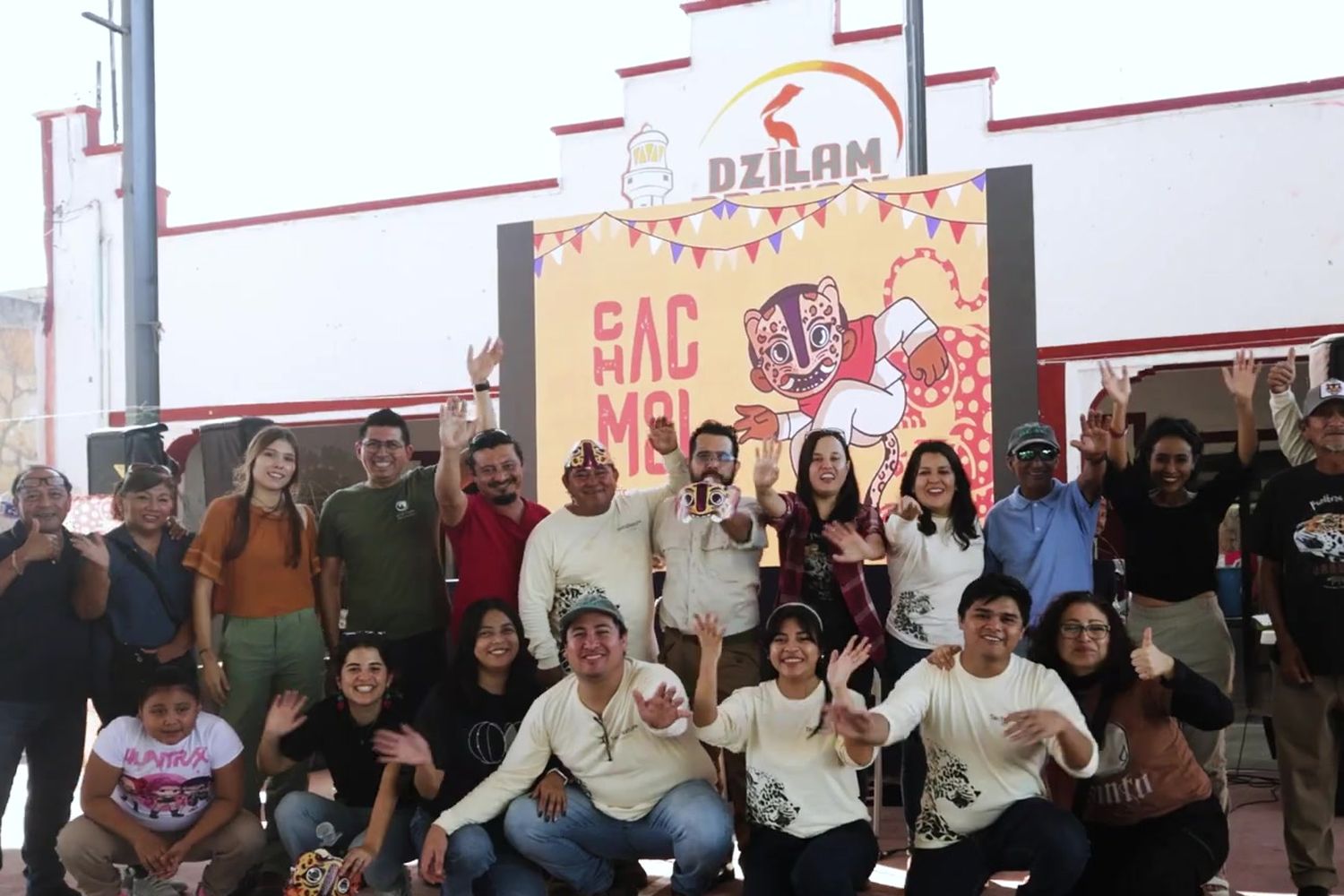
- Tours, wildlife watching and festivals that share what lives in the territory, such as the Jaguar Festival in Dzilam de Bravo.
- Regenerative production
- Agroforestry systems and ranching that coexist with wildlife, with evidence of their contribution to connectivity.
- Education and community science
- Schools, universities and community monitors that build new capacity and provide monitoring services.
- Biodiversity credits
- Instruments that recognize verifiable conservation results, such as the Jaguar Biocultural Credits in Ecuador.
- Payments for ecosystem services
- Public and private programs that reward the conservation of forests, mangroves and water.
- Permanence funds
- Long-term schemes, such as Herencia Maya in Yucatán, that secure resources for protected areas.
Lesson learned
Traceable, verifiable evidence is what helps most to open conversations with funders and institutions. An orderly record of what was measured, how and with what result is worth more than a striking number.
Tools to get started
- Estándar de la Lista Verde de Áreas Protegidas y Conservadas, versión 1.1 (opens in a new tab) (IUCN, in Spanish).
- Jaguar Biocultural Strategy and Jaguar Biocultural Credits (opens in a new tab) (Sacred Headwaters Alliance, Fundación Pachamama and NaturaTech LAC).
- Directrices de la UICN sobre conflictos y coexistencia entre humanos y vida silvestre (opens in a new tab) (2024, in Spanish).
- PANORAMA – Solutions for a Healthy Planet (opens in a new tab) (IUCN and partners), to publish and browse replicable cases.
- Conservation Evidence Toolkit (opens in a new tab), to assess whether actions work.
Criteria 3.1, 3.7 and component 4 (management and outcomes). Bringing the evidence into the management program and the follow-up reports demonstrates a long-term strategy and conservation outcomes. See how to prepare for the Green List.
OTUS Network, Colombia
Launched in 2024 by Colombia's 33 Regional Autonomous Corporations and Conservation International Colombia, the OTUS Network is a national camera trap network that processes its images with AI in Wildlife Insights. Cities such as Cali have joined with their own cameras and trained forest rangers. It shows how a network of environmental authorities can adopt a common tool and share lessons at national scale.
See article (El Espectador, in Spanish) (opens in a new tab)